

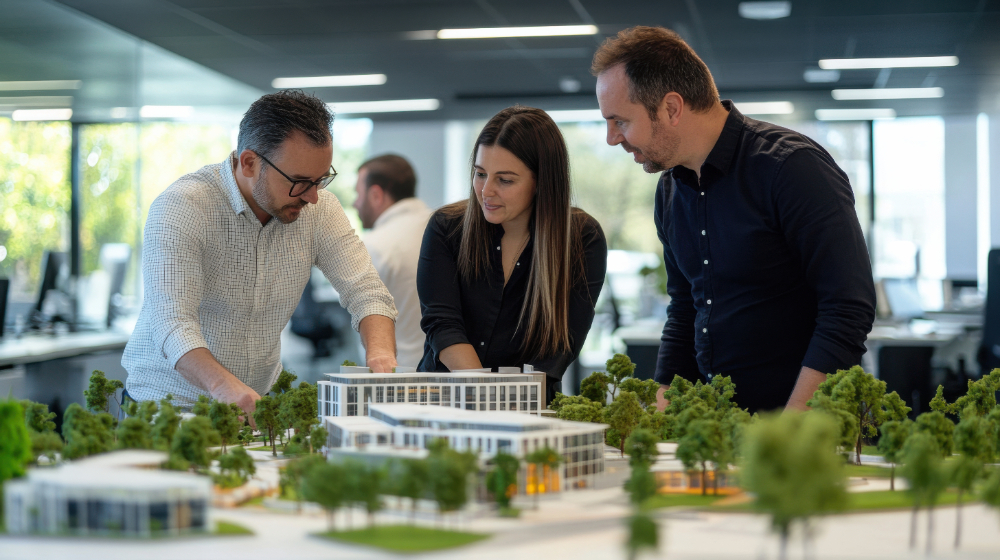
Sustainability is no longer just a buzzword in construction; it’s a vital aspect of creating spaces that are efficient, eco-friendly, and enduring. Sustainable construction integrates environmentally conscious practices and materials into the building process, promoting energy efficiency, waste reduction, and long-term viability. Here, we share expert tips to help you incorporate sustainability into your projects and transform spaces responsibly.
1. Choose Sustainable Materials
Using eco-friendly materials is a cornerstone of sustainable construction. These materials not only minimize environmental impact but also ensure durability and performance.
- Recycled Materials: Incorporate recycled steel, wood, and glass into your projects.
- Locally Sourced Products: Reduce transportation emissions by sourcing materials locally.
- Green Certifications: Opt for certified sustainable materials like FSC-certified wood or low-VOC paints.
- Natural Alternatives: Consider bamboo, cork, or rammed earth for innovative and eco-friendly designs.
2. Embrace Energy Efficiency
Energy efficiency is key to reducing operational costs and environmental footprints in the long term.
- Solar Power: Install solar panels to harness renewable energy.
- Smart Lighting: Use LED lights and automated systems to reduce energy consumption.
- High-Performance Insulation: Proper insulation keeps spaces comfortable while lowering heating and cooling needs.
- Energy-Efficient Windows: Choose double or triple-glazed windows to minimize energy loss.
3. Optimize Water Usage
Water is a precious resource, and sustainable construction focuses on its efficient use.
- Rainwater Harvesting: Collect and reuse rainwater for landscaping or non-potable uses.
- Low-Flow Fixtures: Install water-saving faucets, showers, and toilets.
- Greywater Systems: Recycle wastewater for irrigation purposes.
- Native Landscaping: Use drought-resistant plants to minimize water needs.
4. Incorporate Green Building Design
Thoughtful design ensures that buildings coexist harmoniously with the environment.
- Natural Ventilation: Maximize airflow to reduce reliance on air conditioning.
- Passive Solar Design: Orient buildings to leverage natural sunlight for heating and lighting.
- Green Roofs: Install vegetation on roofs to improve insulation and biodiversity.
- Multi-Functional Spaces: Design versatile spaces that minimize resource use.
5. Focus on Waste Management
Reducing construction waste helps minimize landfill contributions and promotes resource efficiency.
- Recycling Programs: Implement on-site recycling of construction debris.
- Pre-Fabrication: Use pre-fabricated components to reduce on-site waste.
- Deconstruction: Salvage materials from old structures for reuse.
- Composting: Convert organic waste into compost for landscaping.
Benefits of Sustainable Construction
Adopting sustainable practices brings numerous benefits to both builders and occupants:
- Lower Operating Costs: Energy and water efficiency reduce utility bills.
- Increased Property Value: Green buildings attract higher valuations and demand.
- Healthier Spaces: Improved air quality and natural materials promote wellness.
- Environmental Impact: Sustainable practices reduce carbon footprints and resource depletion.
Final Thoughts
Transforming spaces with sustainable construction is not only an ethical responsibility but also a smart business decision. By choosing eco-friendly materials, optimizing energy and water use, and prioritizing waste reduction, you create structures that are both functional and future-proof. Embrace these expert tips to lead the way in sustainable construction and make a lasting impact on the environment.
Ready to build responsibly? Start incorporating sustainable practices into your construction projects today and be a part of the green revolution!